
Researchers at Brown University, the University of Rhode Island, and emerging biotechnology companies are advancing RNA science and opening new possibilities for medicine.
RNA has moved from the margins of molecular biology to the forefront of modern medicine.
It helped make COVID-19 vaccines possible. It has given scientists new ways to silence genes linked to disease. And it holds promise for treating conditions ranging from cancer to inherited genetic disorders.
Increasingly, Rhode Island has a growing role in that work.
Across the state, researchers are investigating how RNA functions, developing technologies to deliver RNA-based treatments, and building companies that equip scientists with new tools.
A Nobel Laureate Returns to Brown
In October 2026, Brown University announced that Craig C. Mello, PhD, would return to the university and join its Giuliani RNA Center.
Mello, a Brown graduate, shared the 2006 Nobel Prize in Physiology or Medicine with Andrew Fire for discovering RNA interference (RNAi), a natural process that allows cells to silence specific genes.
The discovery fundamentally changed scientists’ understanding of gene regulation. It also opened a new path for treating disease.
Traditional medicines often target proteins after cells produce them. RNA interference offers another approach: stop cells from producing certain proteins in the first place.
What began as a breakthrough in basic science now underpins approved therapies for several diseases.
Mello brings decades of scientific leadership and experience translating discoveries into biotechnology ventures. His return strengthens Brown’s growing concentration of RNA expertise and connects Rhode Island to one of the field’s defining discoveries.
URI: New Approaches to Cancer Treatment
At the University of Rhode Island, researchers are exploring RNA’s potential in cancer immunotherapy.
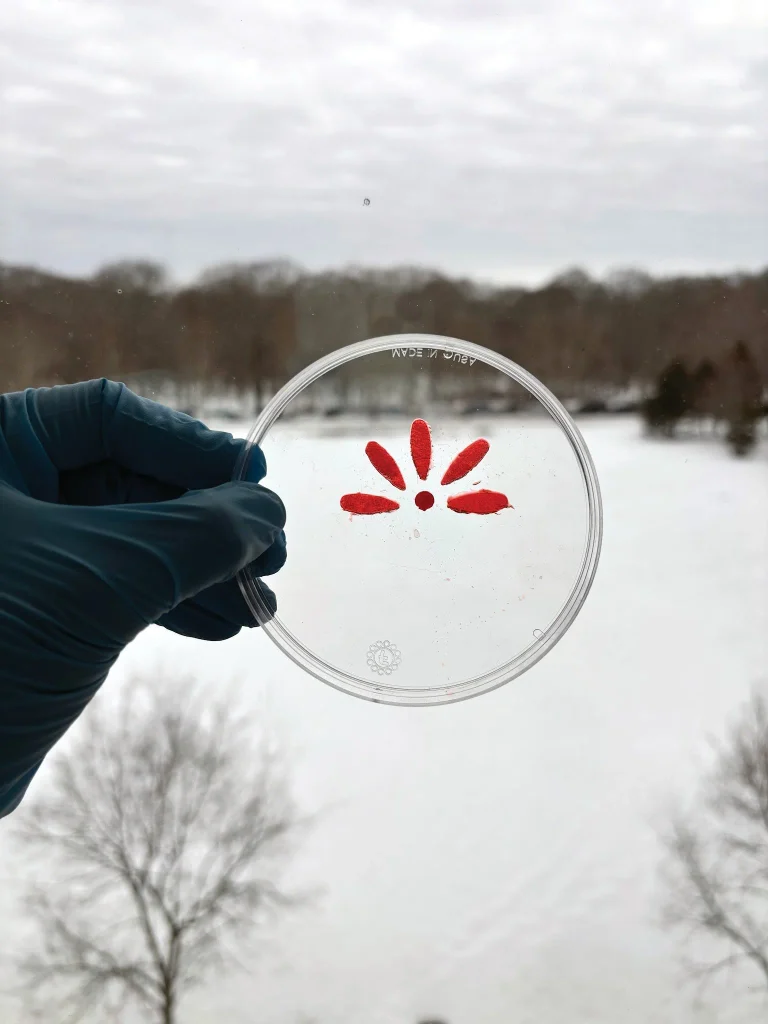
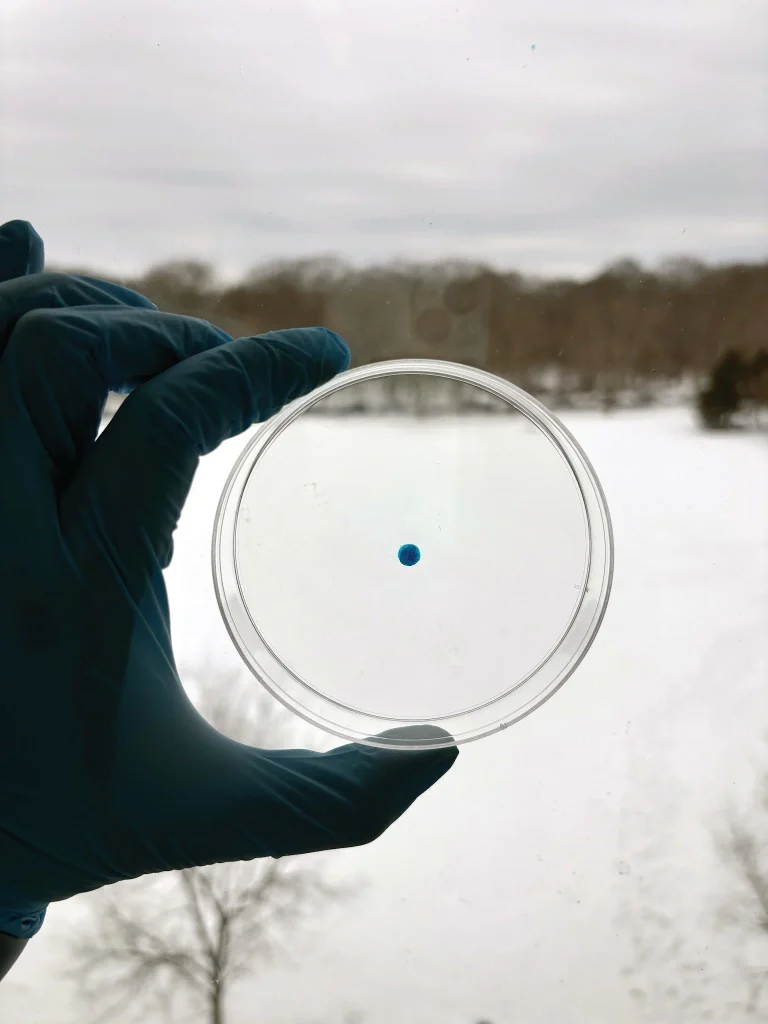
photo credit: URI College of Pharmacy
Ting-Yu Shih, PhD, an assistant professor in URI’s College of Pharmacy, studies biomaterials and targeted drug delivery. His research combines RNA technology with materials designed to carry treatments directly to their intended targets.
““The immune system has a memory, so even if some tumor cells survive the initial treatment, it can continue to be mobilized to eliminate those cells; you will still have immune protection. It’s a way to attack and eliminate cancer cells.”
— Ting-Yu Shih, PhD, Assistant Professor, URI College of Pharmacy
The approach addresses two persistent challenges in cancer medicine: reaching cancer cells effectively and helping the immune system recognize them.
Shih’s work explores RNA-based technologies that could train immune cells to identify and attack tumors. His research also investigates delivery systems that protect therapeutic molecules and improve their ability to reach specific tissues.
The science remains under development, but the objective the researchers are working towards is clear: improve treatment precision and give the immune system new ways to fight cancer.
URI’s work adds another dimension to Rhode Island’s RNA research capabilities, connecting advances in molecular biology with pharmaceutical science and drug delivery.
From RNA Discovery to RNA Manufacturing at Brown University
Brown’s Giuliani RNA Center brings together researchers in molecular biology, chemistry, engineering, and medicine. Their work spans the fundamentals of RNA biology and the technologies needed to turn discoveries into treatments.
One of the field’s greatest challenges lies beyond the laboratory: manufacturing RNA medicines reliably, efficiently, and at scale.
Brown researchers are tackling that problem.
In September 2026, the university announced its participation in a $39.2 million federally supported initiative to develop a compact, automated system for manufacturing RNA medicines.
Biomedical engineering professor Anubhav Tripathi is contributing expertise in microfluidics, sensors, and quality-control technology. The project aims to simplify the complex process of producing personalized genetic medicines.
“The biology and the engineering have to speak to each other.”
— Anubhav Tripathi, Professor of Engineering, Brown University
The implications extend beyond manufacturing costs. More flexible production could eventually bring highly specialized treatments closer to the patients who need them.
Lilac Biosciences: Turning Research into a Rhode Island Company
Discovering new treatments requires better tools to understand the molecules behind them.
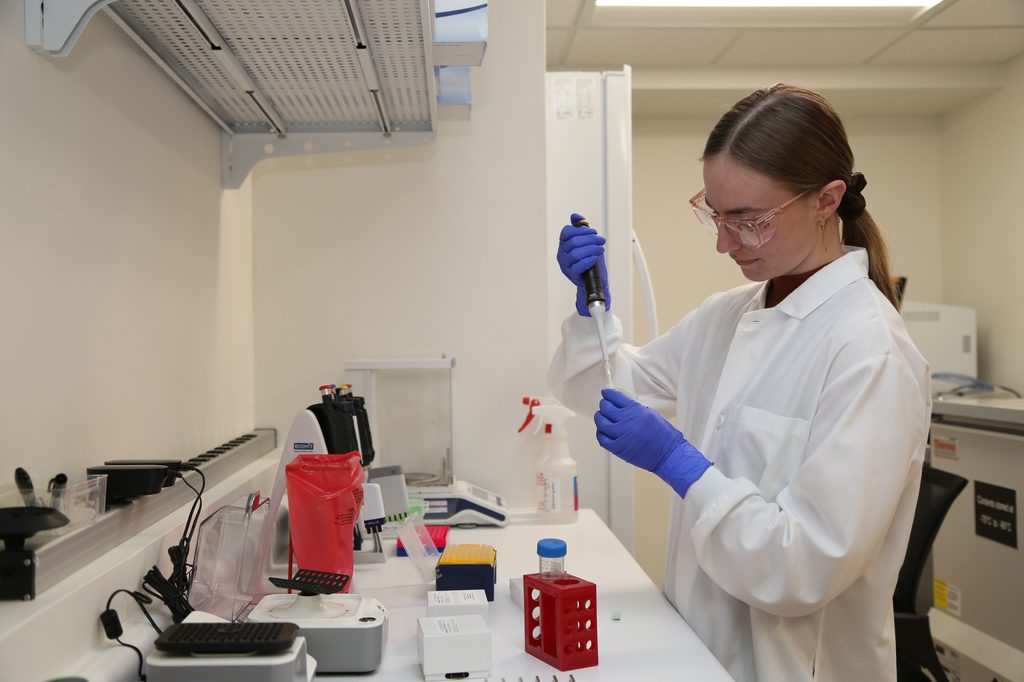
Providence-based Lilac Biosciences is building those tools.
The company grew out of research at Brown University, where co-founder Sabrina Tolppi began developing methods to analyze chemical modifications to RNA.
These modifications influence how RNA functions. Studying them can reveal important details about cellular activity, disease, and the behavior of potential therapies.
Lilac’s ModQuant technology gives researchers new ways to measure RNA modifications and investigate their biological significance.
“We knew that this was something that could greatly impact RNA research and clinical research involving RNA-based biomarkers.”
— Sabrina Tolppi Brown University, Lilac Biosciences
The company has advanced from university research to commercial development, establishing laboratory operations in Providence and expanding its research products.
Support from the Rhode Island Life Science Hub’s Innovation Bridge program and Rhode Island Commerce’s Innovation Voucher program has helped advance its technology.
Lilac illustrates a critical part of the biotechnology economy. Not every breakthrough arrives as a medicine. Some arrive as the tools that make the next discovery possible.
A Growing Concentration of Expertise
RNA research demands more than scientific insight. It requires specialized equipment, manufacturing capabilities, analytical tools, clinical expertise, and investment.
Rhode Island is developing strengths across that spectrum.
Brown researchers are expanding our understanding of RNA and helping develop manufacturing technology. URI scientists are investigating new approaches to RNA-based cancer treatments. Companies like Lilac are commercializing tools that support research and drug development.
These efforts connect fundamental discovery with practical applications. They also create opportunities for research partnerships, company formation, and skilled employment.
The Rhode Island Life Science Hub is working to strengthen those connections, bringing together researchers, entrepreneurs, industry partners, and institutions to help promising discoveries move toward commercial development.